
The Secrets of Beer: From Flavor to the Last Sip
What is beer made of?
The basics are surprisingly simple—just four ingredients:
water
malt (usually barley malt)
hops
yeast
But it’s the proportions and quality of these ingredients that make a huge difference.
So what do the basic ingredients do?
Malt gives beer its body and color
Hops add bitterness and aroma
Yeast produces alcohol
Water makes up most of the beer (and often shapes its final taste)
How alcohol is made
And this is where the real magic of beer happens.
During brewing, sugars are released from the malt. When yeast is added, it gets to work - converting these sugars into alcohol and carbon dioxide.
The result? Alcohol and fine bubbles in every sip.
In other words, beer is essentially controlled fermentation. A simple process that can create a surprisingly complex flavor.
The beer-making process
In short, it looks like this:
Mashing – malt is mixed with water, releasing sugars
Boiling – hops are added (this is where flavor develops)
Fermentation – yeast produces alcohol
Maturation – the beer rests and its flavor stabilizes
Packaging – it is bottled, canned, or put into kegs
Each step influences the final taste more than you might expect. High-quality beer is aged longer, while cheaper beers often shorten this process to produce it faster.
Types of beer (so you know what you’re ordering)
Light vs. dark
Light beer – lighter, more refreshing (typical lager)
Dark beer – fuller-bodied, sweeter, often with caramel notes
Lager vs. Ale
Two basic types of beer that mainly differ in the way they are fermented - and therefore also in taste.
Lager ferments at lower temperatures, which gives it a clean, smooth, and refreshing taste. That’s why it’s the most common type of beer in our region.
Ale, on the other hand, ferments at higher temperatures. The result is a more pronounced flavor, often with fruity or spicy notes. This style is especially typical for craft beers.
Why does some beer taste better?
It’s not just about the brand. What really matters is:
the quality of the ingredients
the length of maturation (cheaper beers often shorten it)
the amount of hops used
the brewing method
Cheaper beers often:
contain more water
have less flavor
go through a faster production process
Interesting facts you might not know
🍺 Beer is one of the oldest drinks in the world
🍺 In the Middle Ages, it was often safer to drink than water
🍺 Foam isn’t just for looks — it helps protect the beer’s flavor
🍺 The color of beer mainly depends on how much the malt is roasted
Beer may seem simple at first glance.
But behind every glass is a process that shapes its taste, strength, and overall experience.
Choose the right product
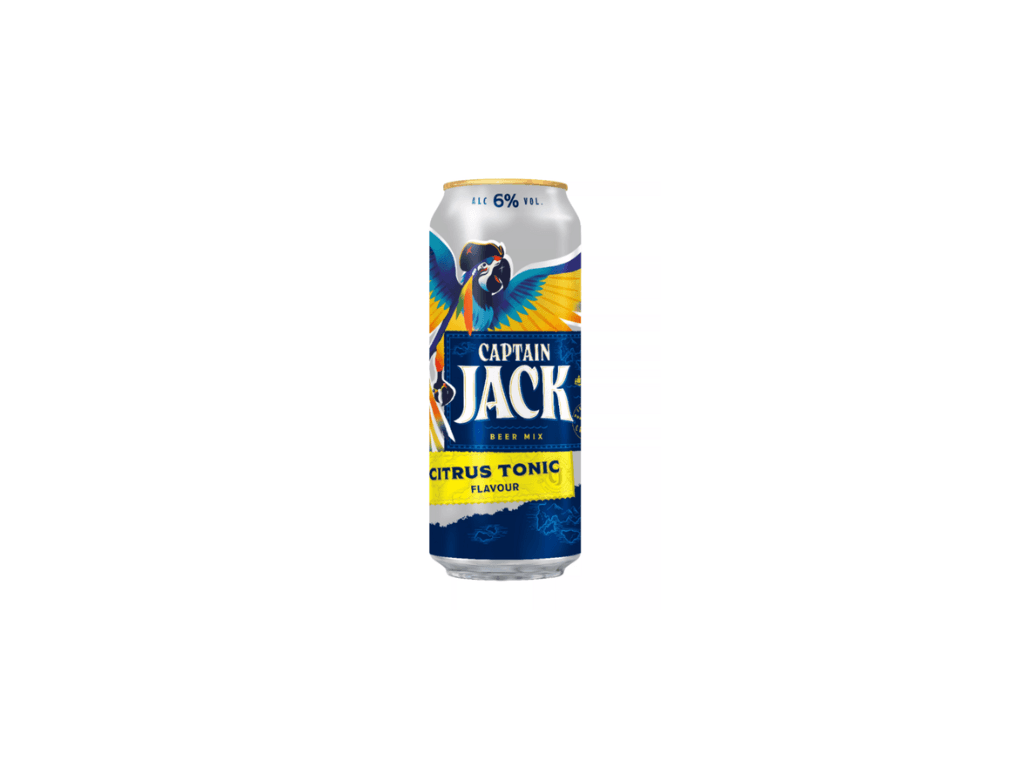
Captain Jack Citrus Tonic (500 ml)
Price: ~€1.79
Subscriber price: ~€1.49
Type: flavored beer
Taste: citrusy, sweeter
Use: parties / for those who don’t like classic beer
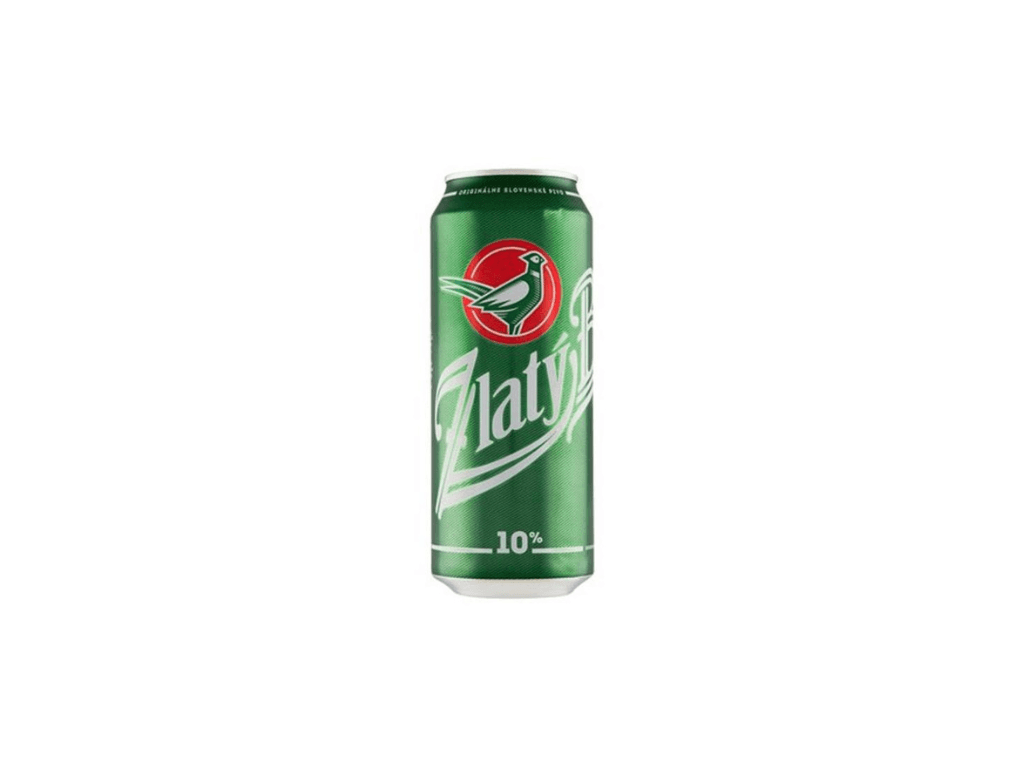
Zlatý Bažant 10% (500 ml)
Price: ~€1.49
Subscriber price: ~€0.99
Type: light draft beer
Taste: light, less intense
Use: cheap everyday beer
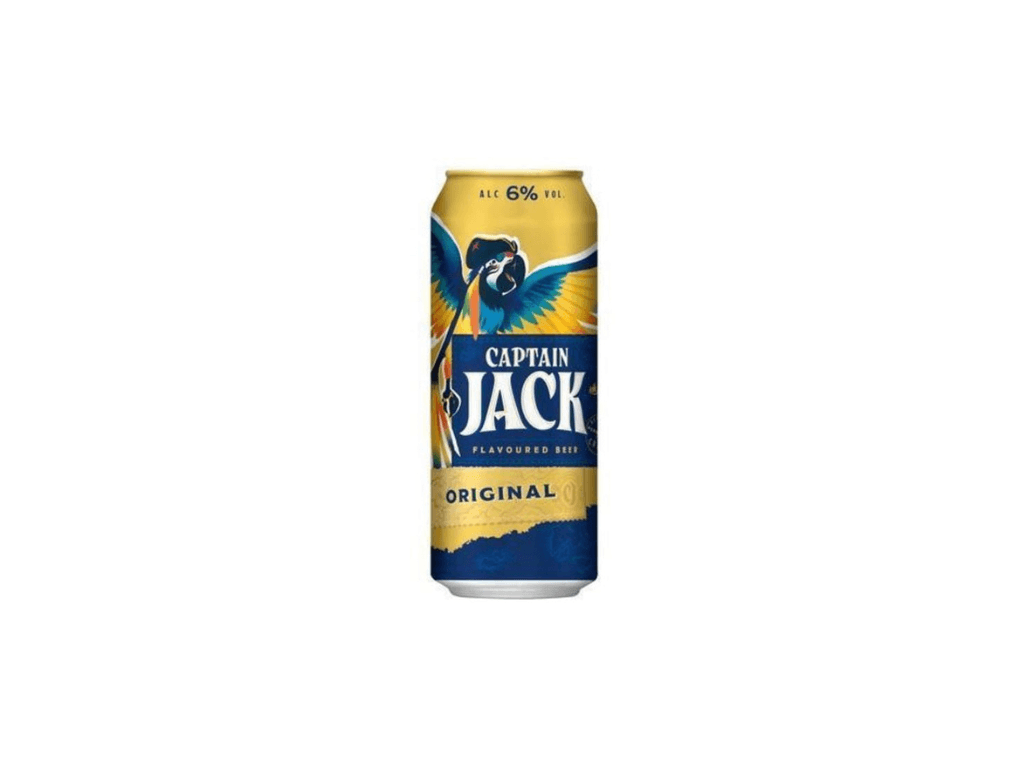
Captain Jack Original (500 ml)
Price: ~€1.79
Subscriber price: ~€1.49
Type: flavored beer
Taste: sweet, mild
Use: easy drinking / less “beer-like”
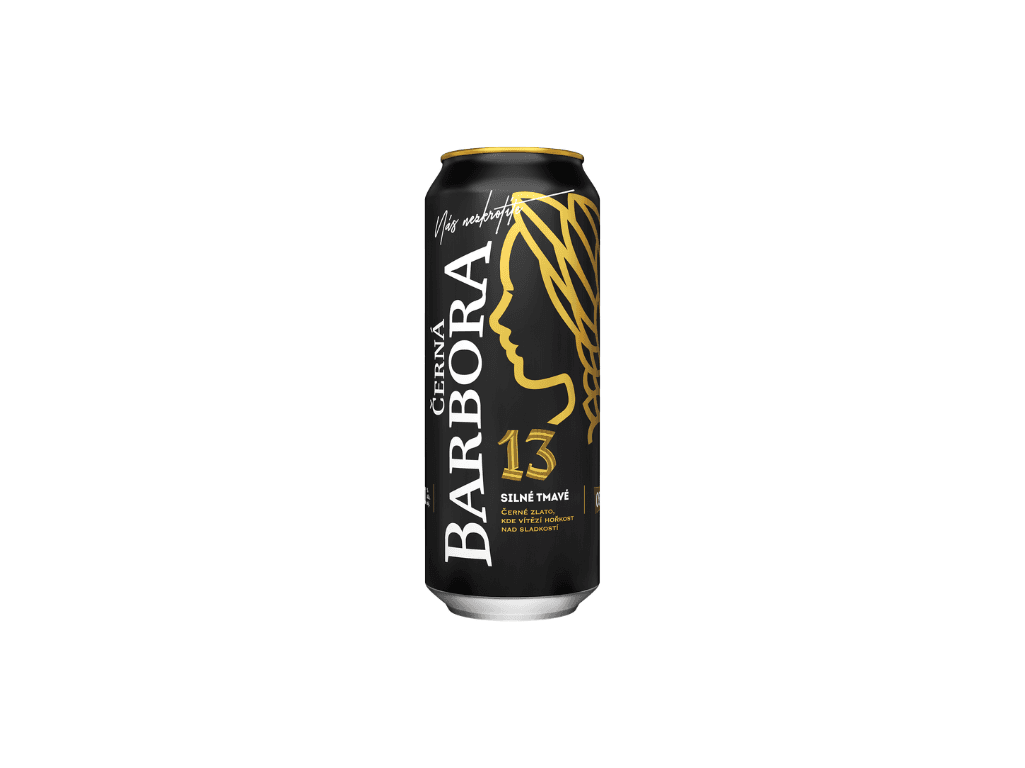
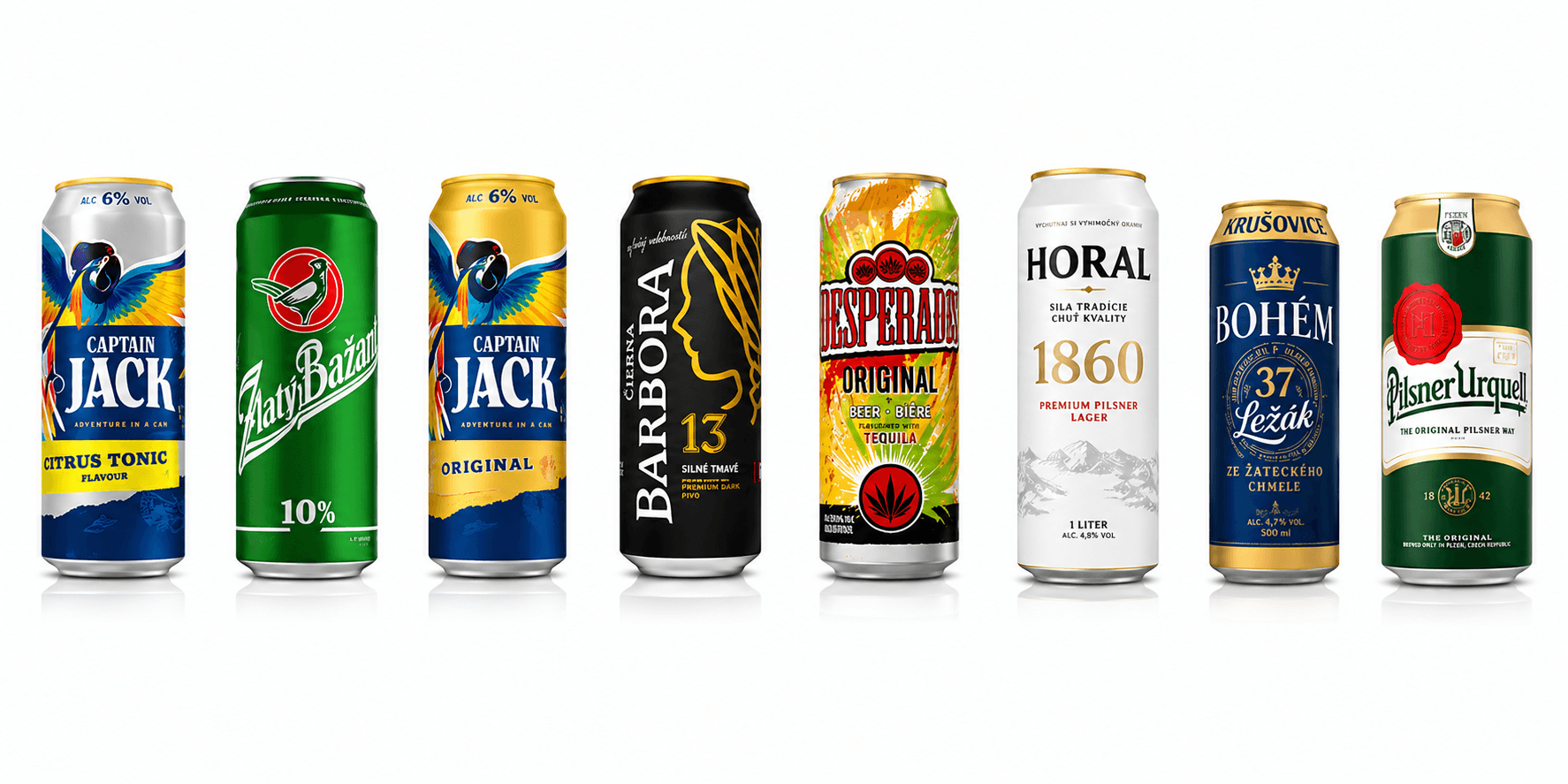
Čierna Barbora (500 ml)
Price: ~€1.69
Subscriber price: ~€1.19
Type: dark beer
Taste: fuller, caramel notes
Use: when you want something stronger
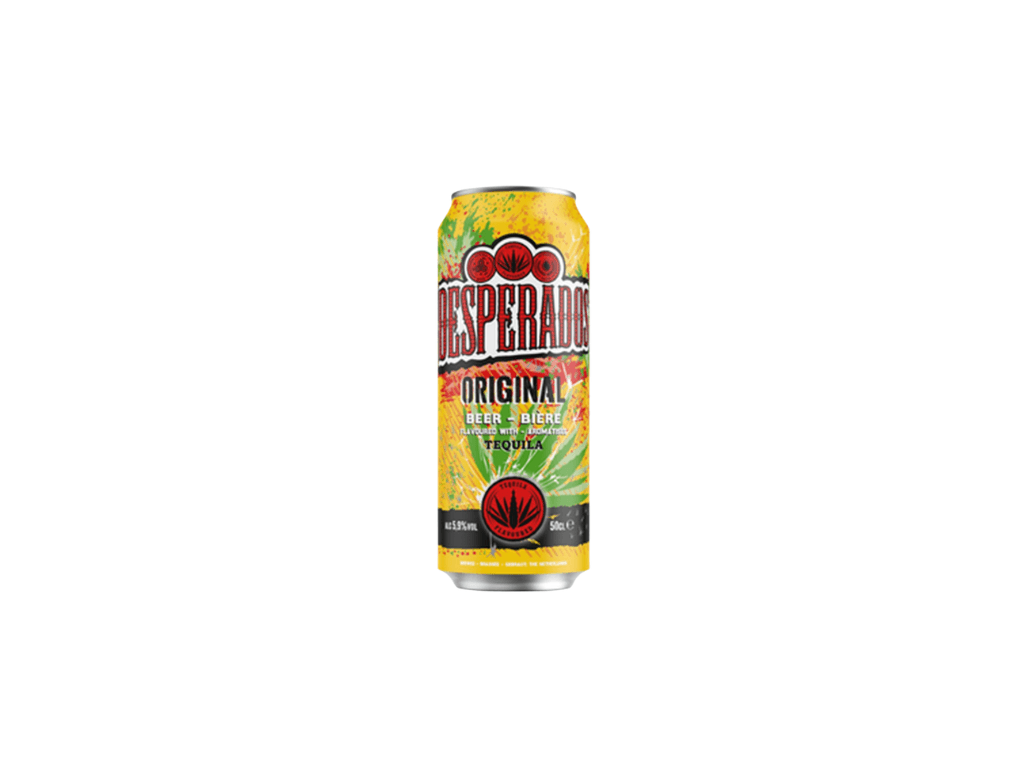
Desperados Original (500 ml)
Price: ~€2.20
Subscriber price: ~€1.69
Type: flavored (tequila-style)
Taste: citrusy, distinctive
Use: party vibe / not a classic beer
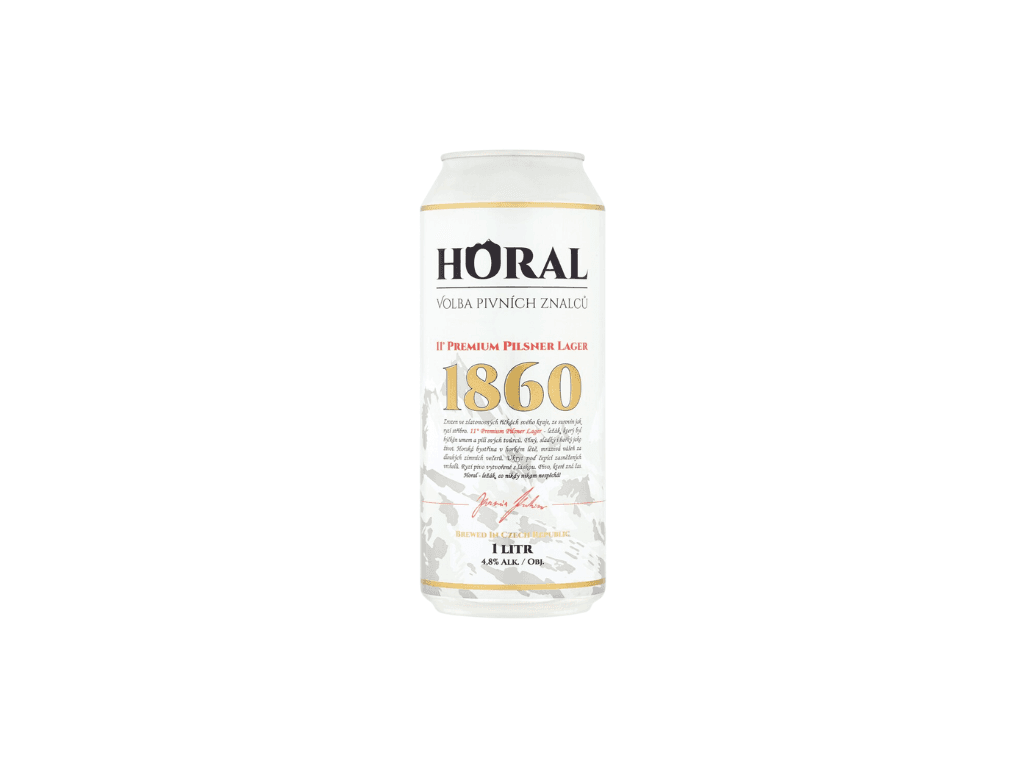
Horal 4.8% Premium Pilsner (1 l)
Price: ~€5.59
Subscriber price: ~€4.79
Type: lager
Taste: classic, balanced
Use: when you want a large volume
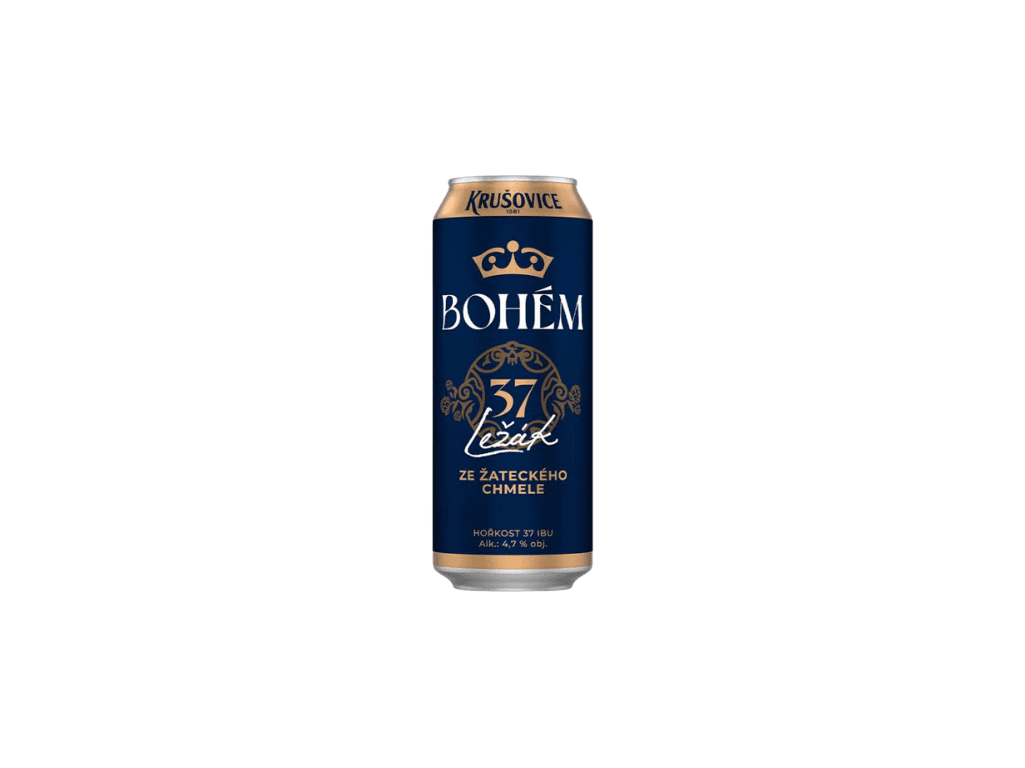
Krušovice Bohém (500 ml)
Price: ~€1.69
Subscriber price: ~€1.29
Type: lager
Taste: fuller, slightly bitter
Use: a higher-quality “classic” lager
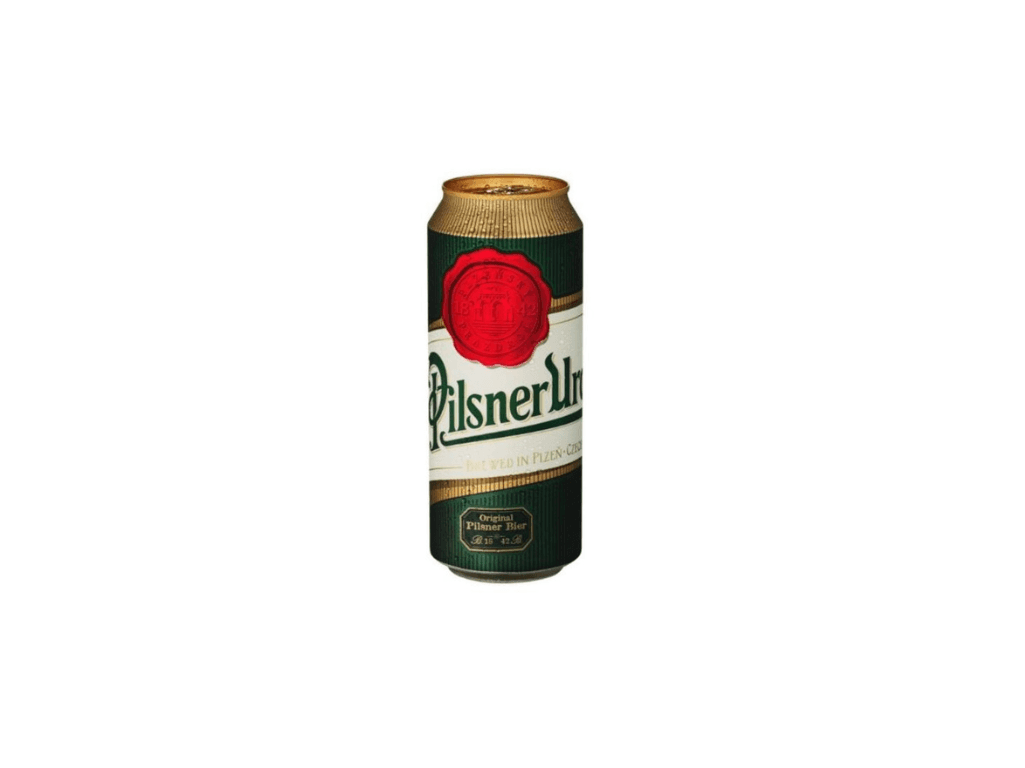
Pilsner Urquell (500 ml)
Price: ~€1.89
Subscriber price: ~€1.49
Type: pilsner (premium lager)
Taste: strong, more bitter, hoppy
Use: when you want a better experience